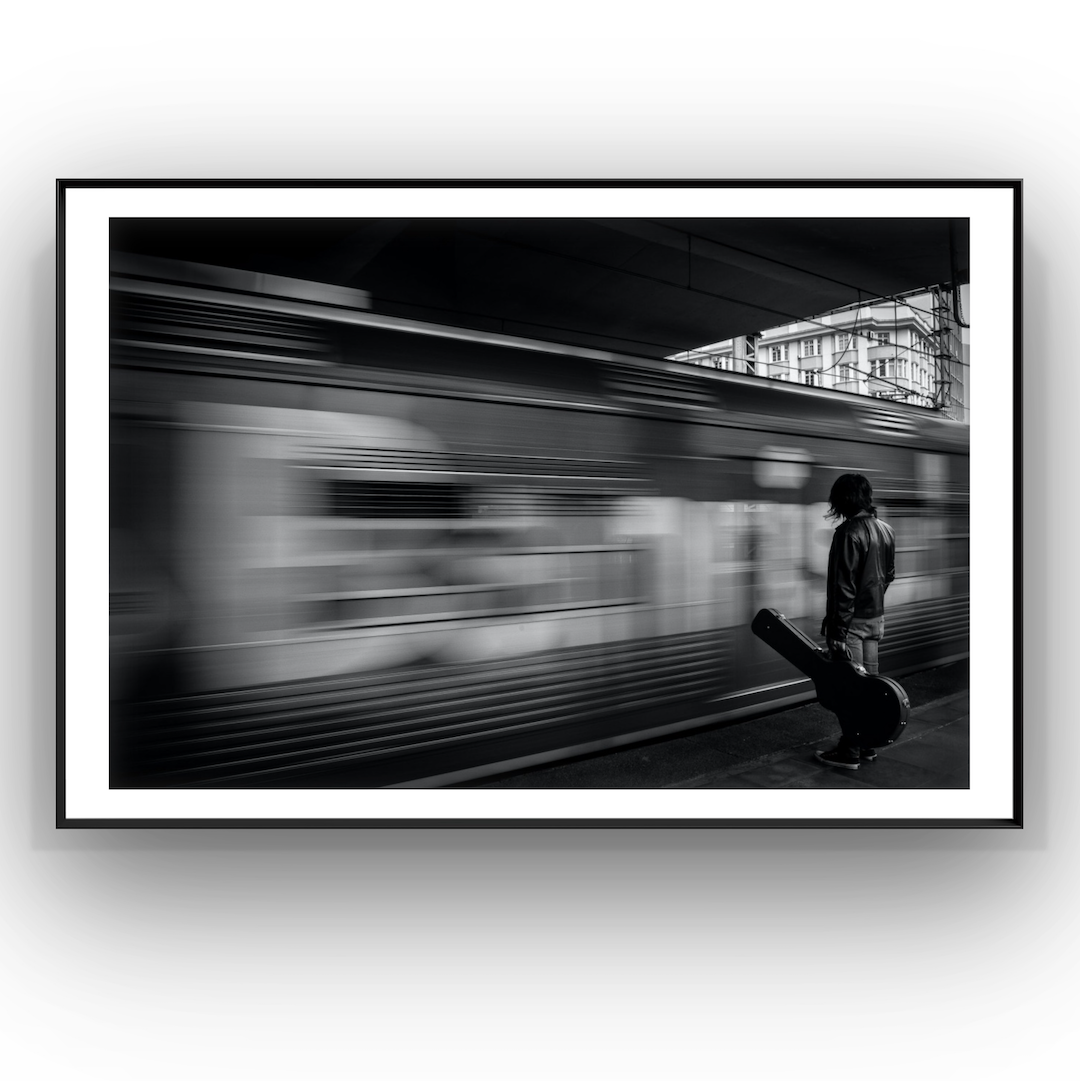
For many artists, selling more art is not only about making better work. It is also about presenting that work in a way that feels clear, professional, and desirable.
How better presentation helps artists sell more art is often underestimated. A strong presentation can improve first impressions, increase perceived value, help buyers imagine the artwork in their own space, and make the work feel more finished and collectible.
In this guide, we’ll look at why presentation matters so much and how artists can use it to support stronger sales online.
Why presentation matters in art sales
Most buyers see artwork online before they ever see it in person. That means presentation often shapes the first reaction.
Even strong work can look less valuable if it is shown with:
- poor lighting
- inconsistent image quality
- cluttered backgrounds
- random cropping
- no framing or display context
- weak portfolio structure
By contrast, artwork that is presented with clarity and intention often feels more professional and more ready to buy.
Presentation does not replace artistic quality. But it strongly affects how that quality is perceived.
1. Better presentation creates a stronger first impression
People usually decide very quickly whether something feels polished or amateur.
When artwork is shown with clean images, consistent styling, and thoughtful display choices, it immediately feels more credible. That matters because online buyers do not have the chance to walk up to the piece, study its texture, or experience it physically.
A stronger first impression can help viewers:
- stay longer on the page
- take the work more seriously
- feel more trust in the artist
- become more open to buying
If your first impression is weak, many viewers will never stay long enough to appreciate the artwork itself.
2. Good presentation increases perceived value
Presentation influences pricing psychology.
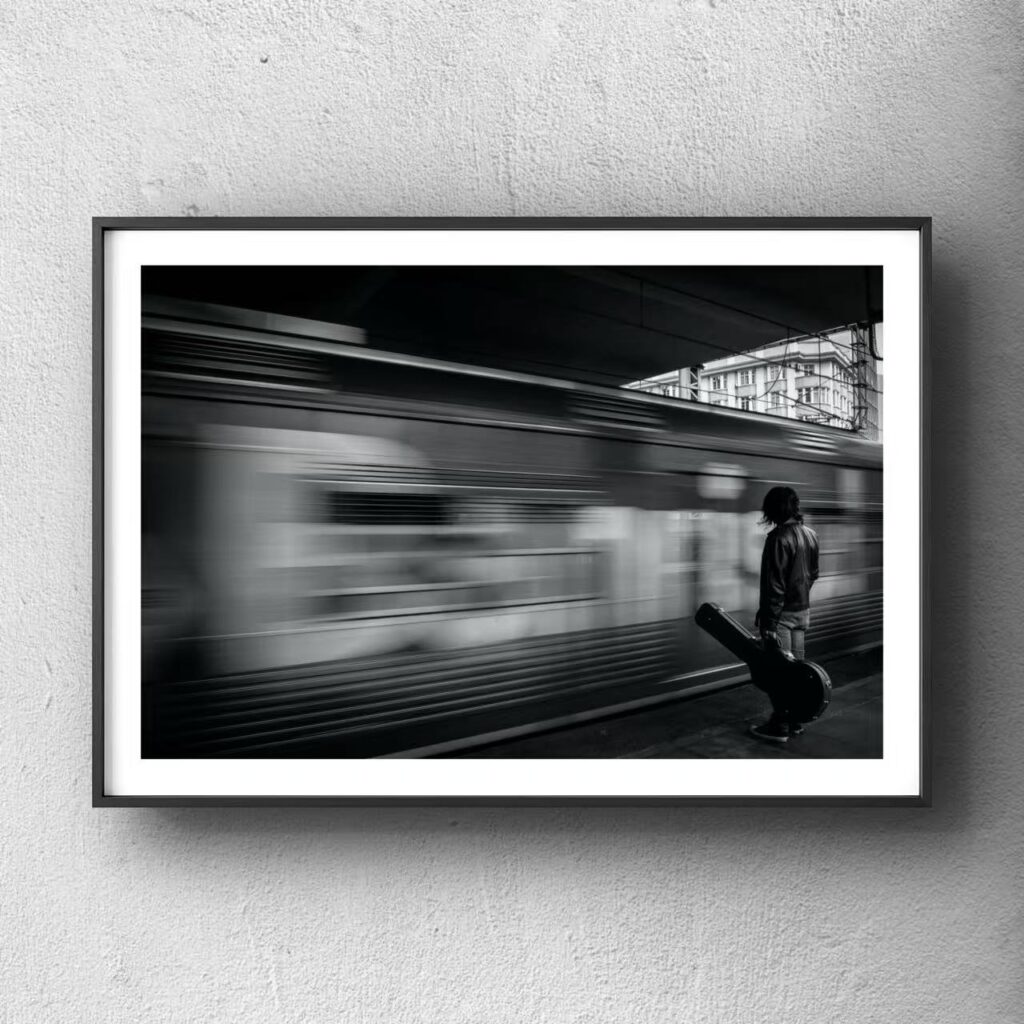
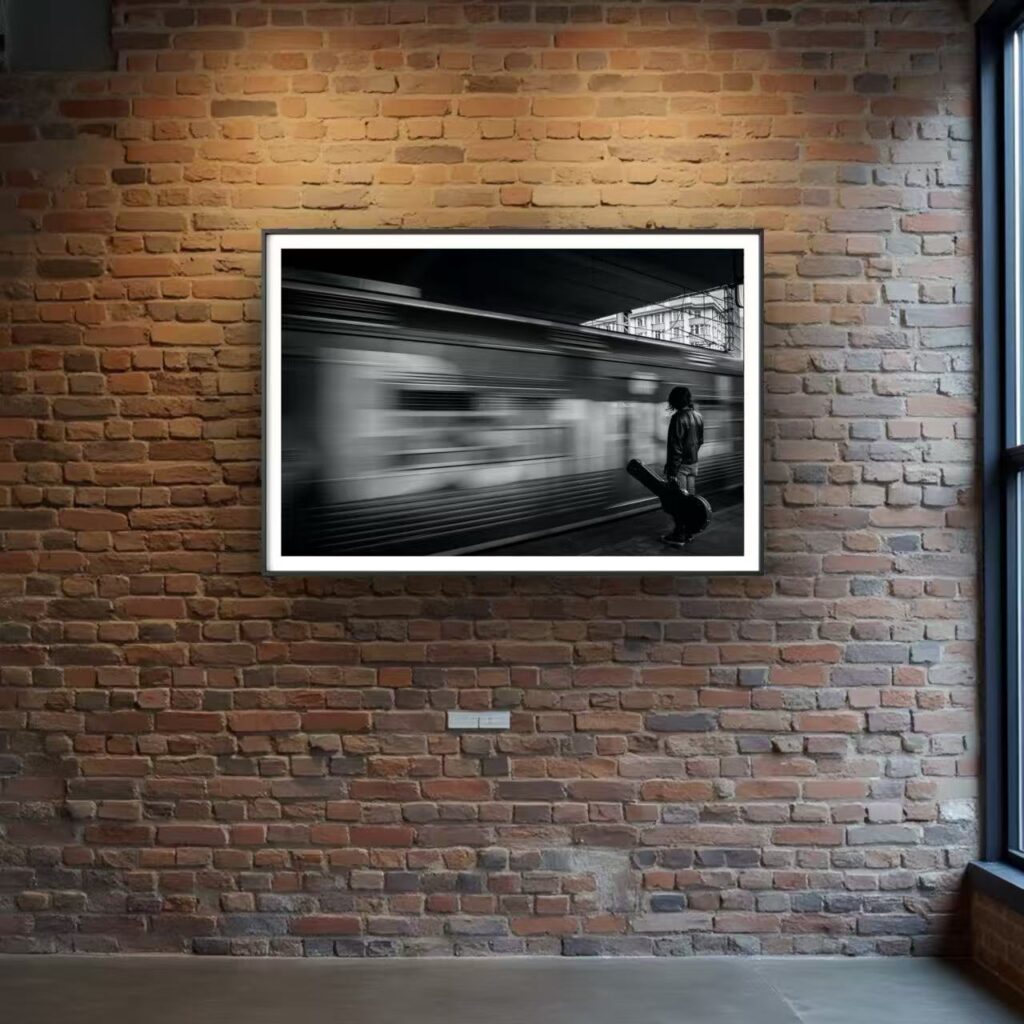
The same artwork can feel very different depending on how it is shown. A plain image on a messy background may look casual or unfinished. The same work presented in a clean portfolio, a realistic room mockup, or a framed preview can feel more elevated and more investment-worthy.
This is especially important for:
- original works
- limited edition prints
- higher-priced pieces
- commission pages
- exhibition previews
When the presentation looks refined, buyers often assume more care, more professionalism, and more value.
3. Presentation helps buyers imagine the artwork in real life
One of the biggest barriers in online art sales is uncertainty.
A buyer may like the artwork, but still hesitate because they cannot picture:
- the size
- the framing
- how it looks in a room
- whether it suits their taste or home
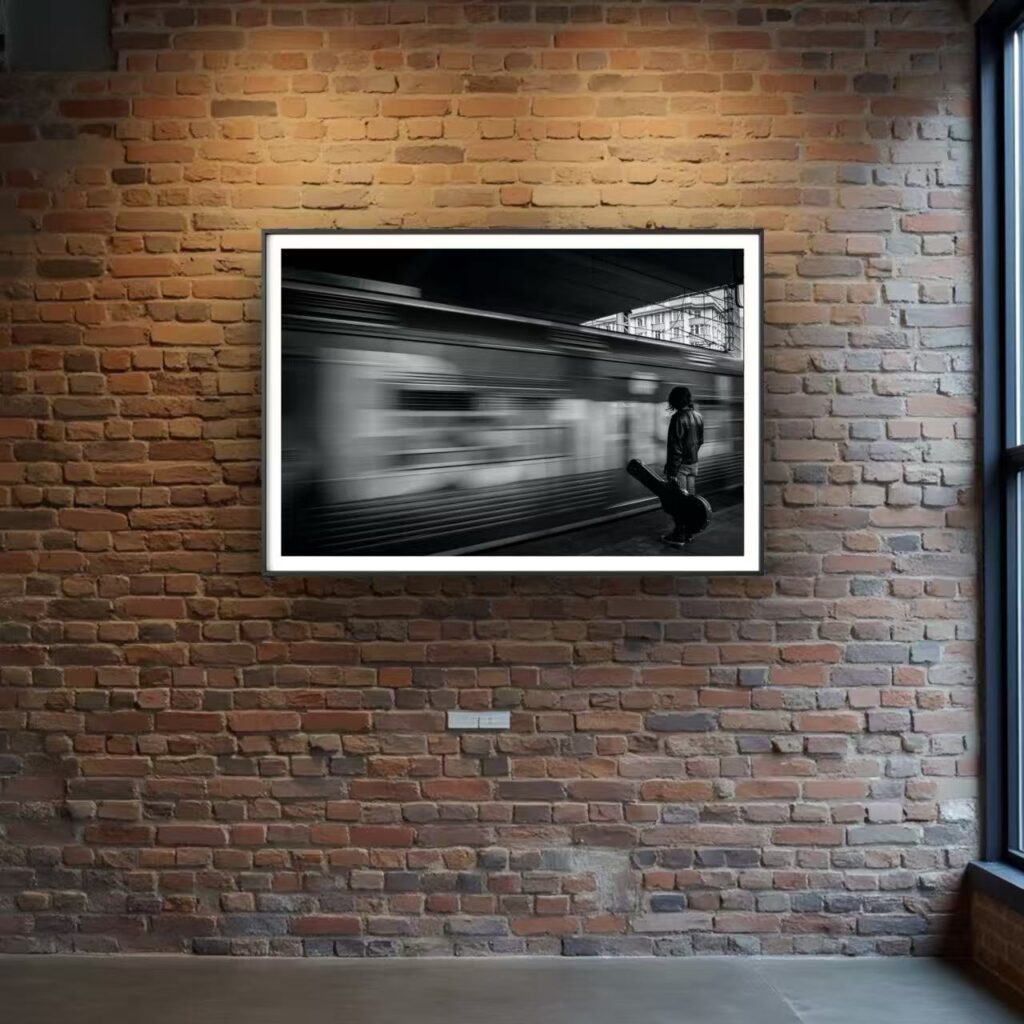
This is why framed previews, room mockups, and contextual presentation are so helpful. They reduce guesswork.
When people can imagine the work in a real space, they often feel more confident about buying.
4. Better presentation makes art feel more finished
Online, unfinished presentation often reads as unfinished work, even when the artwork itself is strong.
If a piece is shown without clean edges, without consistent sizing, or without any context, it may feel less complete than it really is. Presentation helps close that gap.
This does not mean every piece must be shown in a luxury interior or elaborate mockup. It simply means the work should feel intentionally presented.
A well-presented artwork usually feels:
- more complete
- more professional
- more display-ready
- more collectible
5. Consistency helps build trust
Collectors, buyers, and followers do not judge only one artwork. They also judge the artist behind it.
If your presentation style is inconsistent, the work may feel less trustworthy as a whole. But when your images, framing choices, layouts, and portfolio pages feel coherent, your brand becomes more convincing.
Consistency can include:
- similar image quality
- similar background treatment
- consistent framing logic
- clean portfolio structure
- repeated visual style across website and social platforms
This kind of consistency makes your work feel more established, even if you are still growing.
6. Presentation helps separate your work from casual content
Online platforms are full of images. Your work is competing not only with other artists, but with all kinds of visual content.
A stronger presentation helps your art stand out from casual uploads by making it feel more deliberate and more professional. That difference matters on:
- artist websites
- portfolio pages
- Instagram posts
- Pinterest pins
- online shops
- exhibition announcements
When your work looks like it belongs in a curated presentation, people are more likely to pause and pay attention.

7. Framing can support sales by making art easier to place
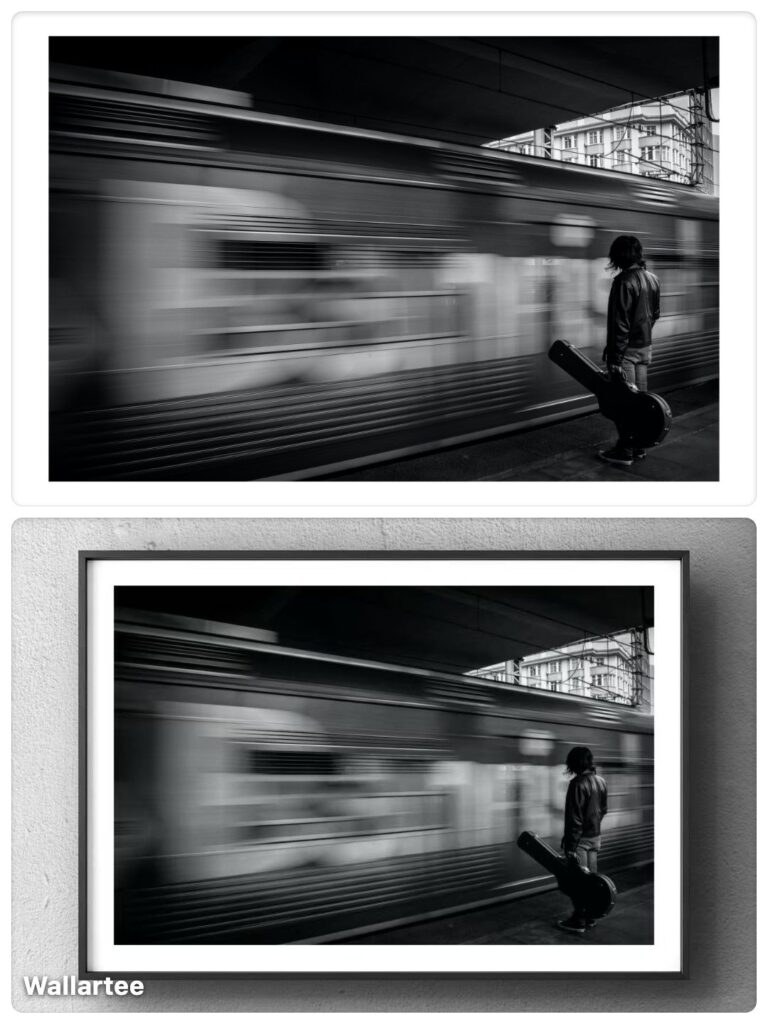
Framing is one of the most practical presentation tools because it helps bridge the gap between artwork and interior space.
A framed view can make it easier for buyers to imagine:
- where the artwork might go
- what kind of room it fits
- whether it feels modern, warm, classic, or minimal
- how finished it would look when displayed
That makes framing useful not only for aesthetics, but also for sales.
For many artists, showing both the unframed work and a framed version creates a better buying experience.
8. Portfolios help the work feel more curated
A collection of random uploads may show what you make, but it does not always show your work at its best.
A portfolio gives your artwork structure. It can:
- group related works together
- create a stronger sense of artistic identity
- present projects more clearly
- make the overall body of work feel more serious
That matters because buyers are often not just evaluating one piece. They are evaluating whether you feel like a real artist with a coherent body of work.
9. Better presentation can support higher pricing
Artists often wonder whether presentation really affects what people are willing to pay.
It can.
Better presentation does not magically make weak work valuable, but it can help strong work receive the level of attention and seriousness it deserves. When a piece looks professionally presented, buyers may feel more comfortable with a higher price because the work appears more polished, more considered, and more ready to own.
Presentation supports pricing by helping the work feel:
- more premium
- more complete
- more trustworthy
- more collectible
10. Presentation is part of selling, not separate from it
Some artists treat presentation as an extra layer added after the real work is done.
But in practice, presentation is part of how the work enters the world. It affects whether people stop, whether they understand the work, whether they can imagine living with it, and whether they feel ready to buy.
For online art sales, better presentation is not decoration. It is communication.
How Wallartee helps artists present work for sale
Wallartee helps artists create better presentation without having to build every preview manually.
With Wallartee, artists can:
- test framed versions of their work
- preview artwork in realistic spaces
- create portfolio-style presentations
- compare different display approaches before publishing
That makes it easier to choose a version of the work that feels polished, intentional, and more ready for buyers to engage with.
Final thoughts
If you want to sell more art online, presentation deserves serious attention.
The way artwork is shown affects first impressions, perceived value, buyer confidence, and overall professionalism. Even small improvements in how you display your work can make the art feel more complete and more compelling.
Better presentation will not replace strong artwork. But it can help strong artwork get the response it deserves.
FAQ
Does presentation really affect art sales?
Yes. Presentation affects first impressions, perceived value, and how easily buyers can imagine the artwork in their own space.
How can I make my art look more valuable online?
Use clean images, consistent presentation, framed previews, room context, and a stronger portfolio structure.
Should artists show framed versions of their work?
In many cases, yes. Framed versions often make the artwork feel more finished and easier to imagine in real life.
Why does my artwork look good in person but weaker online?
This usually happens because of weak image quality, no context, poor lighting, inconsistent presentation, or lack of display structure.
How does Wallartee help artists sell more art?
Wallartee helps artists create framed previews, room mockups, and portfolio-style presentations that make artwork look more polished and easier to understand online.
Leave a Reply